
When part of a home looks worn, damaged or outdated, replacement can feel like the cleanest answer. Remove the old material, install something new and consider the problem solved.
Sometimes that is exactly the right decision. In other situations, it creates extra cost, demolition and disruption without adding much value.
A sound door may only need repair and refinishing. Good cabinet boxes can look completely different with adjusted doors, new hardware and an updated finish. Localized drywall or concrete damage may be repairable without removing the entire surrounding area.
The point is not to save every old material. It is to make the scope match the condition.
A good contractor should be able to explain both sides: what can reasonably be saved, and what should be replaced because repairing it would only delay the inevitable.
Repair, refinish or replace: what is the difference?
These three options solve different problems.
Repair
A repair corrects damage or restores function. It might involve replacing a small damaged section, securing loose material, patching drywall, correcting a joint, filling a defect or fixing hardware.
Repair makes the most sense when the problem is contained and the surrounding material remains sound.
Refinish or refresh
Refinishing keeps the main feature but improves its surface and appearance. Depending on the material, that can include preparation, sanding, filling, priming, painting, staining, sealing or replacing visible hardware.
A refresh can also combine several modest improvements—paint, trim, fixtures, hardware and adjustments—to change the feel of a room without rebuilding it.
Replace
Replacement removes the existing item and installs a new one. It is usually the right choice when the original material has failed, no longer performs safely, cannot be repaired reliably or would cost almost as much to save as it would to replace.
The mistake is choosing one of these options based only on appearance.
Five questions to ask before removing anything
1. Is the main material still sound?
This is the starting point. Scratched paint is a surface issue. Rot, severe swelling, crumbling material or major movement affects the material itself.
If the core is sound, repair or refinishing may be worth considering. If the core has failed, a better-looking surface will not restore it.
2. Is the damage localized or widespread?
One damaged board, door edge or drywall section can often be dealt with on its own. Failure across most of the surface points toward replacement or a larger restoration.
The percentage affected matters more than the size of the room.
3. Can the repaired area be blended acceptably?
Some materials are forgiving. Painted drywall, trim and doors can often be prepared and blended well. Matching aged stain, textured ceilings, old tile or discontinued flooring can be much more difficult.
A technically sound repair may still be the wrong aesthetic choice if the finished patch will stand out in the centre of a highly visible surface. That should be discussed before work begins.
4. What useful life will the repair add?
A repair that provides several more years of reliable use can be excellent value. A repair expected to fail again in a few months is usually money spent twice.
The answer depends on the cause. Damage from a one-time impact is different from damage caused by an active leak or ongoing movement.
5. How does the total cost compare with replacement?
Repair is not automatically cheaper once preparation, custom fitting, difficult access and finish matching are included.
On the other hand, replacement may affect adjacent flooring, paint, trim, plumbing or electrical work, making the real replacement cost larger than the price of the new item alone.
Compare the complete scope, not only the price of one material.
Doors, frames, baseboards and trim
Interior doors and trim take plenty of abuse: dents, chipped corners, loose joints, nail holes, worn paint and damage from furniture or pets. Much of that is repairable when the material remains straight and solid.
Possible improvements include:
- Filling and sanding surface damage
- Securing loose casing or baseboard
- Correcting minor alignment problems
- Replacing damaged sections instead of an entire room’s trim
- Priming stained or previously damaged surfaces properly
- Repainting doors, frames and trim as one coordinated finish
- Updating handles, hinges or other visible hardware
Replacement becomes more reasonable when a door is badly warped, a frame is broken, moisture has swollen the material, rot is present or the existing profile cannot be matched where continuity matters.
The condition of the surrounding finish also matters. Replacing one door slab may sound simple, but matching hinge locations, hardware, jamb dimensions and the appearance of nearby doors can add work.
Drywall, ceilings and painted walls
Localized drywall damage is one of the clearest examples of a repairable home feature. Holes, failed joints, damaged corners and contained water damage can often be cut back to sound material, repaired and refinished.
The main questions are what caused the damage and whether matching the existing texture or sheen is realistic.
For a clean-looking result:
- Active leaks must be corrected first.
- Weak or contaminated material must be removed.
- The repair needs enough working area for proper backing, taping and feathering.
- Primer must be used where needed, especially over stains or new compound.
- Paint may need to continue to a natural break or across the full wall to avoid a visible patch.
Full replacement is more likely when drywall is wet across a large area, extensively mould-damaged, sagging, repeatedly cracking because of movement, or concealing a problem that needs broader access.
Cabinets and countertops
Cabinet replacement can improve a poor layout and fully change a room, but it is not the only way to improve a tired kitchen, bathroom or storage area.
Cabinet boxes that remain square, dry and firmly attached may be candidates for:
- Hinge and door adjustments
- New handles or pulls
- Replacement of selected doors or panels
- Repair of minor surface damage
- Proper preparation and repainting where the cabinet material accepts it
- Improved trim, fillers or finishing details
Countertop options depend heavily on the material and the type of damage. Small chips, failed perimeter caulking, loose sections or worn finishes may have a targeted solution.
Burns, major swelling, deep cracks, widespread delamination or water-damaged substrate usually push the decision toward replacement.
Cabinets should not be cosmetically refreshed before checking for plumbing leaks or moisture damage below sinks. Swollen particleboard does not return to its original strength because it has been painted.
Bathrooms that need a refresh—not necessarily a complete renovation
A bathroom can feel old without being functionally finished.
If the layout works and the wet areas are performing properly, smaller changes can have a large effect:
- Updated hardware and fixtures
- Fresh wall, ceiling and trim paint
- Repaired or replaced caulking
- Improved lighting or mirrors where existing conditions allow it
- Refinished or replaced doors and trim
- A new vanity or selected finish upgrades
- Repaired drywall outside the wet area
Leeann’s project is a useful example of this type of work. Bathroom hardware, painting, doors and trim were addressed together.
None of those items alone needed to pretend to be a full renovation. As a group, they improved how the home looked and felt without treating every existing feature as waste.
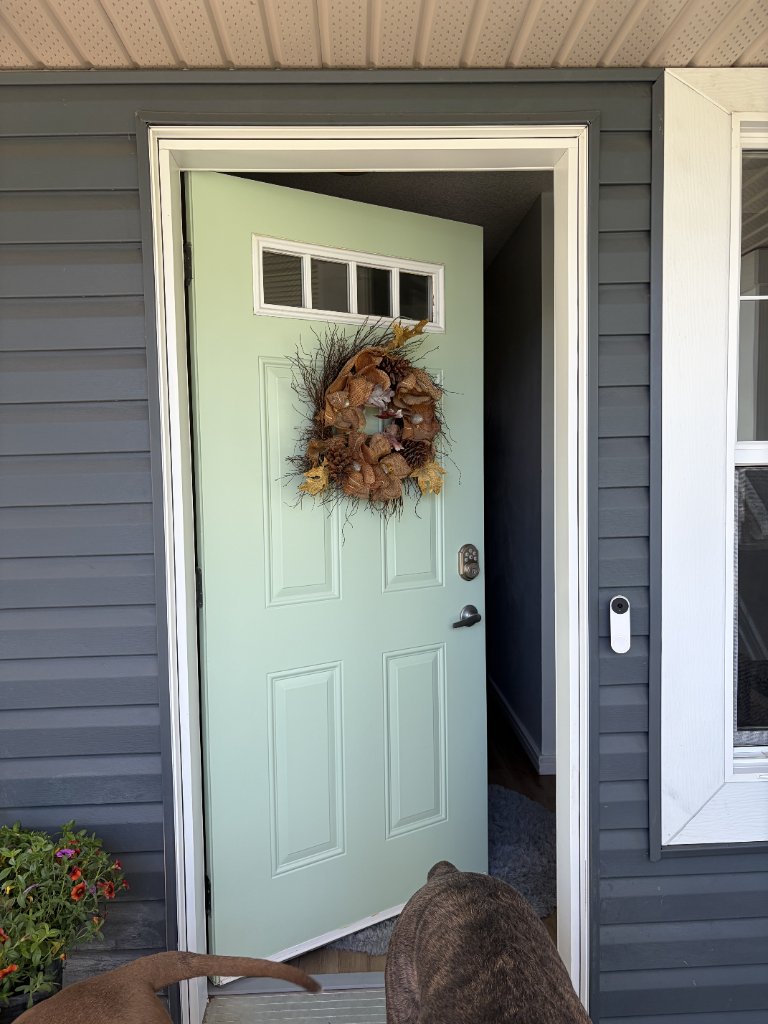
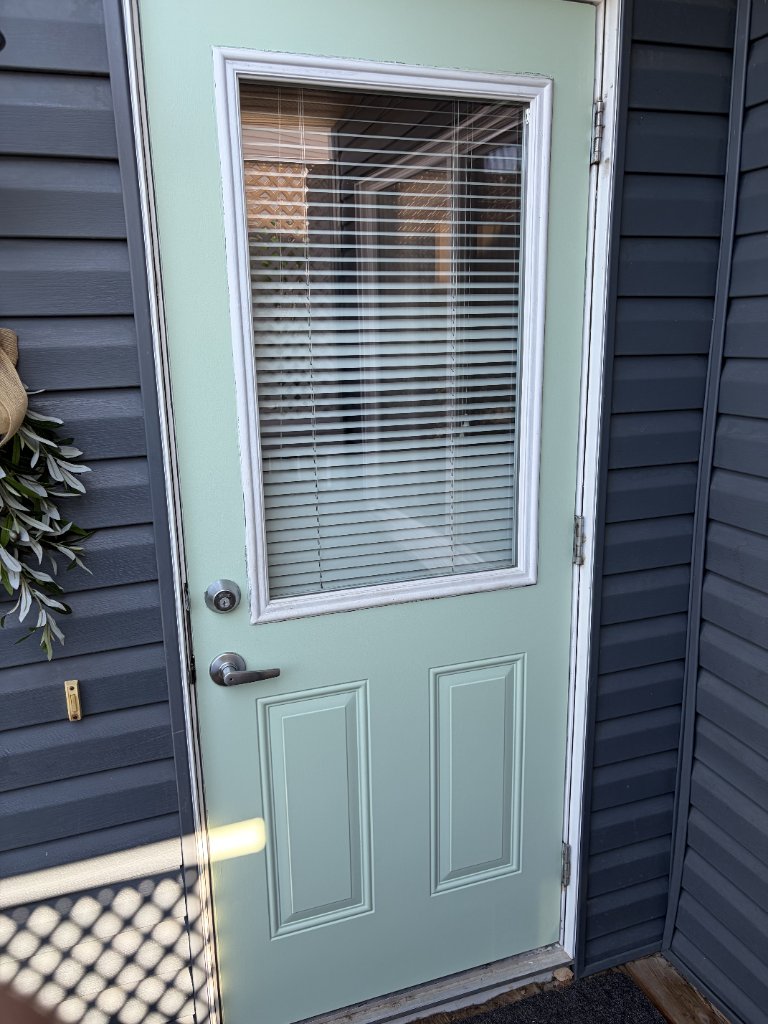
A coordinated refresh using paint, hardware, doors and trim.
Michael did an amazing job with my bathroom refresh changing my hardware as well as my kitchen faucet and mowing my lawn and he did a beautiful paint job.
A full bathroom renovation becomes more reasonable when there are failures in the waterproofing, damaged wet-area substrate, ongoing plumbing problems, a layout that no longer works, or several connected items that all need replacement.
In those cases, performing separate surface repairs can cost more over time and still leave the main problem untouched.
Decks, fences and other exterior woodwork
Weathered wood does not automatically mean failed wood. Dirt, UV exposure and a worn coating can make a deck or fence look worse than its actual condition.
Depending on the structure and material, the right scope may include:
- Cleaning and surface preparation
- Replacing selected boards
- Securing loose components
- Correcting protruding fasteners
- Repairing localized trim or stair damage
- Sanding where appropriate
- Applying a suitable stain or protective finish
Replacement is the safer decision when structural members are rotten, connections are failing, stairs or guards are unsafe, movement is widespread or the original construction has larger deficiencies.
Surface refinishing should never be used to hide weak structural wood.
Concrete, parging and masonry finishes
Localized concrete and parging damage can often be repaired, but success depends on preparation and the stability of the surface below.
A patch may be reasonable for a contained spall, damaged edge or isolated area of loose parging after all unsound material has been removed.
It may not be reasonable when the slab continues to settle, cracks show significant movement, moisture is repeatedly getting behind the finish or deterioration is widespread.
There is also an appearance trade-off. New repair material may not perfectly match aged concrete or parging. Homeowners should know whether the goal is structural protection, improved appearance, or both.
Sometimes a broader finish coat is needed to create a more consistent result.
Garage doors, window trim and painted exterior features
Large exterior features can dominate the appearance of a home. If they are still operating properly and the material is sound, refinishing can sometimes deliver more value than replacement.
Peeling paint, faded colour, surface rust or isolated trim damage may be repairable with the correct preparation and coating.
Rotten wood, failed seals, severe corrosion, broken operating parts or poor energy performance can change the decision.
With windows in particular, painting the trim is not the same as repairing a failed window unit. Fogging between panes, water entry, frame deterioration and operating problems need to be evaluated as functional issues.
When “saving it” becomes a bad investment
We like preserving usable work, but there is a point where repair stops being good value.
Replacement should be seriously considered when:
- The source of the damage cannot be corrected without removal
- Rot, swelling, mould or deterioration is widespread
- The item creates a safety concern
- Code or manufacturer requirements prevent a reliable repair
- Replacement parts are unavailable or incompatible
- Repeated past repairs have failed
- The repair cost is approaching replacement cost without offering similar life
- The homeowner already needs changes to the layout, function or size
There is no benefit in spending money to preserve something that will still not meet the homeowner’s needs.
A good repair is not the same as a quick patch
A worthwhile repair usually requires more than covering the visible defect. Proper preparation can take longer than the part people see at the end.
That may mean removing loose material, opening the working area, drying it, securing the base, rebuilding in layers, priming, matching the finish and allowing the correct curing time.
Skipping those steps can make a repair look cheaper while making it far less valuable.
The right question is not, “Can something be put over this?” It is, “Can this be repaired in a way that is expected to last?”
What to ask during an estimate
If you are deciding between repair and replacement, ask:
- What part of the existing work is still sound?
- What caused the damage?
- Will the repair stop the problem or only improve the appearance?
- How visible is the finished repair likely to be?
- What surrounding work would replacement disturb?
- Is there a point where the scope could change after the area is opened?
- What would make the contractor recommend replacement instead?
Clear answers make it easier to choose based on value rather than pressure.
Keep what works. Correct what does not.
Homeowners do not always need the largest version of a project. They need the scope that solves the actual problem and leaves them with a result worth paying for.
At MW Construction & Landscaping, we look at what can be kept, what can be repaired and what has reached the point where replacement is more responsible.
That approach can reduce unnecessary demolition and focus the budget where it makes the biggest difference.
If you have a door, wall, bathroom, exterior finish or damaged feature you are unsure about, send us photos of the whole area and the specific problem. We can discuss whether repair, refinishing or replacement is the more practical starting point.